


From a data firm's surprise apparel drop to a San Francisco store run by AI, April offered a retail landscape caught between bold experimentation and stubborn structural pressure.
Data analysis firm Palantir Technologies is making an increasingly confident push into the consumer space, releasing a limited run of a $240 chore coat in two colorways. The drop, while unconventional for a company rooted in data infrastructure, reflects a growing trend of brand experimentation—and demand appears to be real. Previous releases have reportedly sold out within minutes.
At the other end of the spectrum, scale players continue to sharpen their long-term strategies. In its latest annual report, Walmart identified e-commerce, supercenters, and artificial intelligence as the three primary engines of future growth. The emphasis on AI underscores its expanding role not just in customer experience, but in supply chain optimization and merchandising decisions.
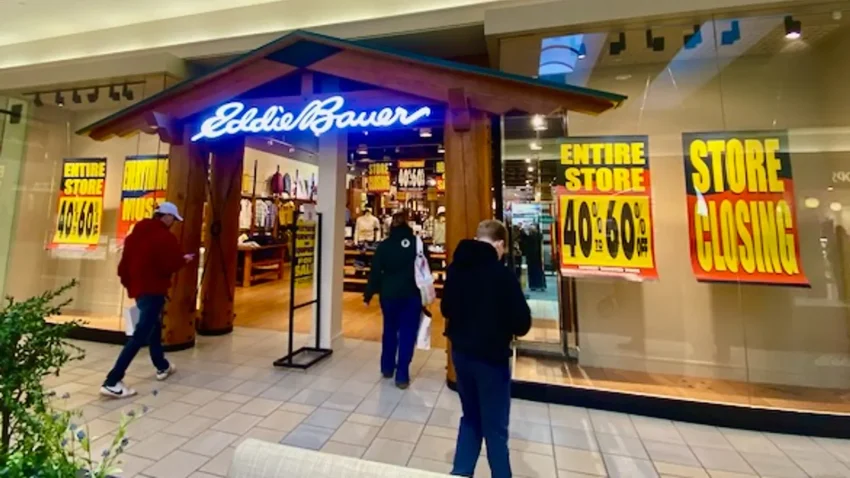
Even so, structural pressures on physical retail persist. Analysts at UBS project that as many as 40,000 U.S. stores could close over the next five years, a stark reminder of the ongoing rationalization across the sector. While top-performing locations continue to thrive, the long tail of underproductive stores remains vulnerable.
Leadership changes are also shaping the competitive landscape. Lululemon Athletica announced the appointment of Heidi O’Neil as its new CEO, bringing in a seasoned operator from Nike to guide its next phase of growth. The move signals a continued focus on brand strength and operational discipline in an increasingly crowded athleisure market.
From a consumer standpoint, spending has remained resilient through the early part of the year. Retail sales rose 5% in February, followed by steady performance in March, suggesting that while shoppers are becoming more selective, overall demand has not materially weakened.
Artificial intelligence, meanwhile, continues to straddle the line between promise and practicality. While some in the industry envision a future where AI systems take over core merchandising functions, early experiments highlight the complexity of that transition. A pilot AI-run store in San Francisco has revealed operational challenges that suggest widespread adoption may still be some distance away.
In the legacy retail and media space, restructuring activity continues. QVC has filed for Chapter 11 and is targeting a 90-day restructuring process. Meanwhile, fallout from the Saks Fifth Avenue bankruptcy is intensifying, with former chairman Richard Baker subpoenaed to provide communications tied to the proceedings. Despite the turbulence, Saks Incorporated has secured an additional $500 million in financing and expects to emerge from bankruptcy later this summer.
Elsewhere, PVH Corp. delivered a strong fourth quarter, exceeding both revenue and earnings expectations, reinforcing the strength of its brand portfolio. And at Macy’s, the rollout of a new AI-powered shopping assistant reflects a broader push among retailers to integrate digital tools that enhance personalization and customer engagement.