



The passing of David Simon, the executive who defined the modern American mall, anchors a month of uneven earnings, stubborn tariff uncertainty, and a retail landscape still sorting its leaders from the pack.
The retail industry lost one of its defining figures in the brick-and-mortar era with the untimely passing of David Simon at the age of 64. As chairman and CEO of Simon Property Group, Simon helped shape the modern mall landscape, navigating decades of transformation as consumer behavior steadily shifted toward digital channels. His absence comes at a moment when the physical retail environment continues to evolve under mounting pressure.
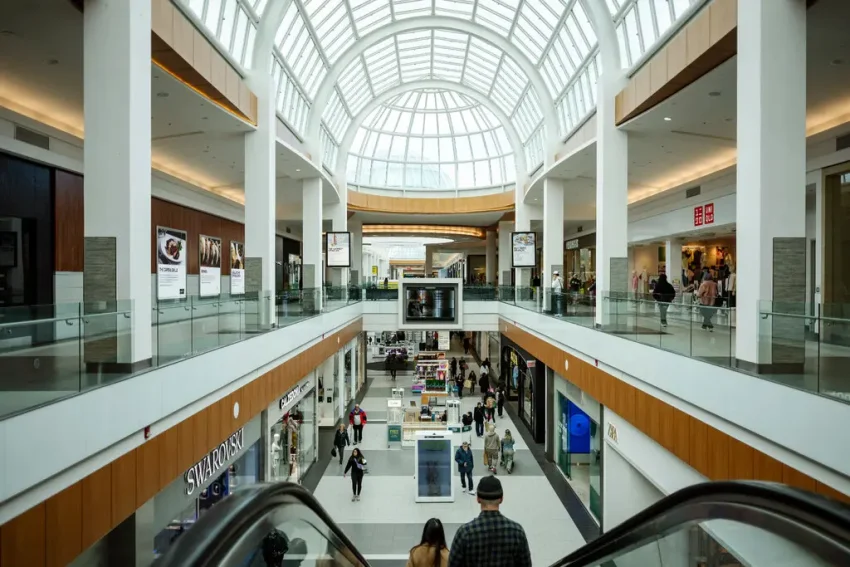
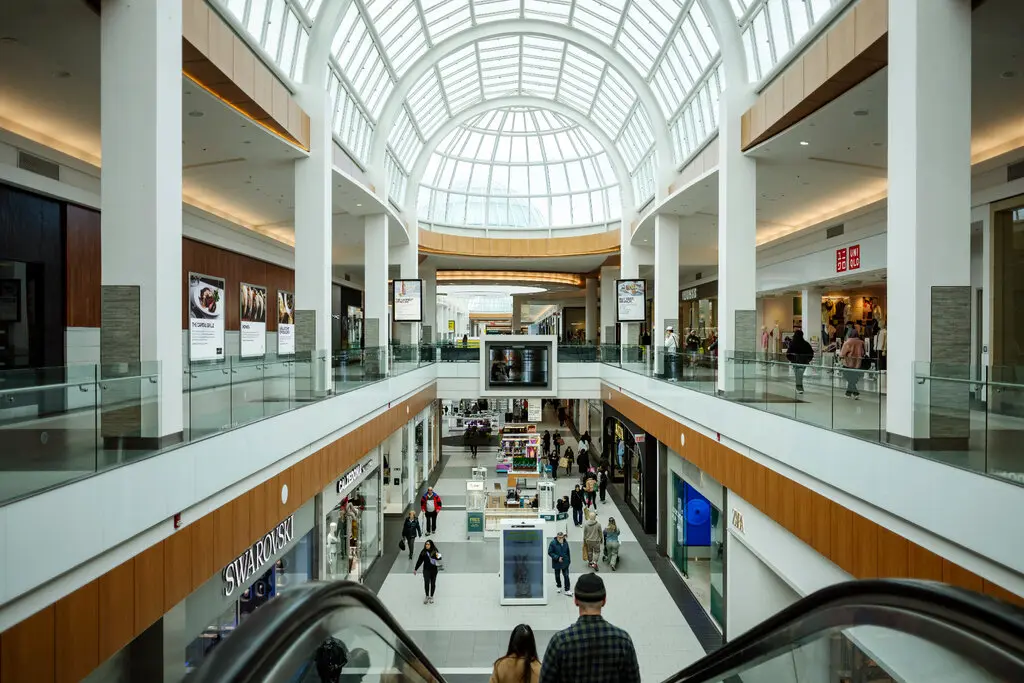
That evolution is playing out unevenly across the mall sector. According to reporting from The New York Times, many shopping centers have seen sharp declines in valuation as owners scramble to repurpose space and redefine their role in a changing ecosystem. Yet top-tier properties continue to defy the broader trend. Centers like Roosevelt Field remain highly productive, underscoring the growing divide between premium assets and struggling secondary locations.
Looking ahead, the National Retail Federation is forecasting retail sales growth of 4.4% for 2026—an outlook that leans optimistic given current macroeconomic uncertainty. The organization projected growth of 2.7% to 3.5% heading into 2025, with actual results landing closer to 4%. That recent outperformance raises questions about whether the industry can again exceed expectations, particularly amid ongoing geopolitical tensions and tariff volatility.
Department store performance remains a mixed story. Macy’s delivered stronger-than-expected fourth-quarter results, aided in part by momentum at Bloomingdale’s and disruption stemming from the Saks Fifth Avenue bankruptcy. The shifting competitive landscape continues to create both headwinds and opportunistic gains within the sector.
Elsewhere, performance divergence is equally pronounced. Dick’s Sporting Goods reported solid results and is projecting continued growth, supported by cleaner inventory positions and new store concepts being piloted alongside Foot Locker. In contrast, Kohl’s posted fourth-quarter sales declines, though profitability improved as the company advances its turnaround efforts. Target also reported declines across most categories in the quarter, highlighting ongoing challenges in discretionary demand.
At the macro level, retail sales surged nearly 6% in January, offering a strong start to the year. However, the gains were not evenly distributed—home goods and department stores both lagged, reinforcing the notion that consumer spending remains highly selective.
Meanwhile, tariffs continue to cast a long shadow over the industry. Legal and regulatory uncertainty persists following a ruling by the Court of International Trade that could provide some relief, though the decision is expected to be appealed, delaying any near-term impact. Adding to the complexity, Costco is now facing litigation over whether tariff-related refunds should be passed directly to consumers, a case that could set important precedent for pricing transparency.
Technology and operational efficiency remain key areas of focus. Walmart announced plans to roll out digital price labels across all U.S. stores this year, a move aimed at improving pricing agility and labor efficiency. At the same time, leadership changes continue to shape strategic direction, with Target’s new CEO unveiling a multi-year turnaround plan designed to stabilize performance and reposition the business for long-term growth.