

December underscored the uneven terrain retail is navigating as the year winds down. From balance-sheet pressure in luxury to cautious consumer spending and selective bright spots in loyalty and fundamentals, the industry closed 2025 balancing restraint with resilience.
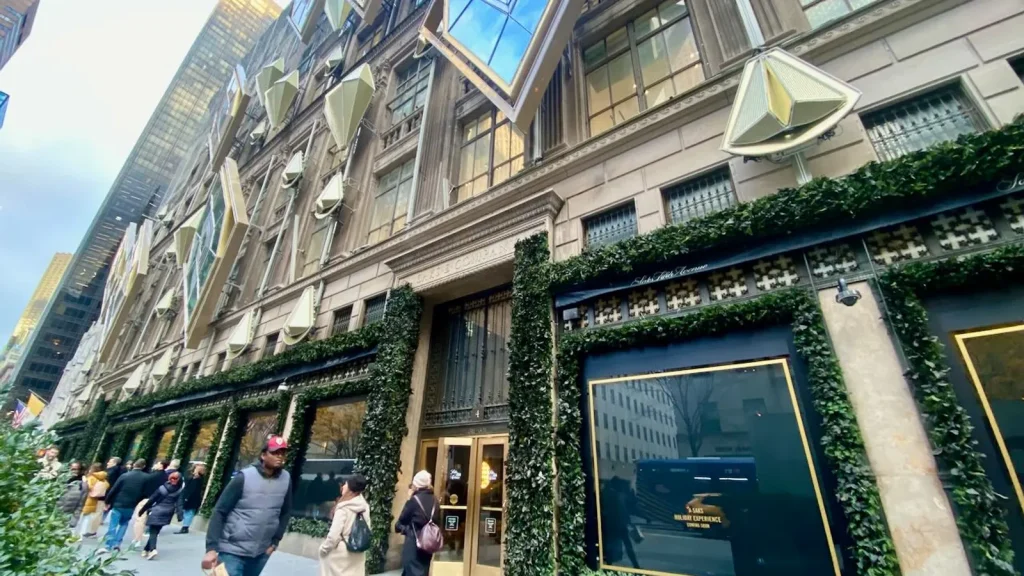
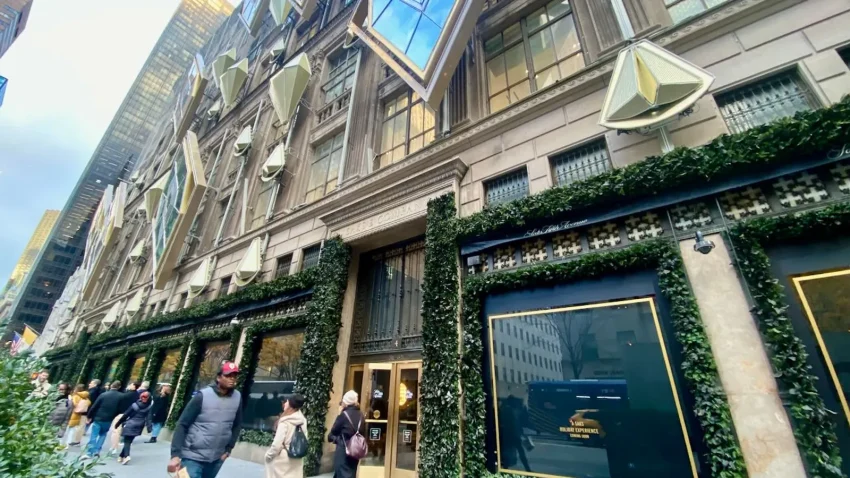
Luxury and mass retail alike continue to grapple with uneven footing as the industry moves through the back half of the year. Saks Fifth Avenue has not ruled out a potential Chapter 11 filing as one option to stabilize its balance sheet, underscoring the ongoing strain facing legacy luxury operators. Compounding its challenges, the retailer has again found itself in unwelcome headlines—this time tied to allegations that a top stylist orchestrated nearly half a million dollars in fraudulent returns.
At the brand level, Nike continues to recalibrate its business, describing itself as being in the “middle innings” of a broader reset, with meaningful challenges still ahead. Birkenstock, meanwhile, delivered solid revenue growth in its most recent quarter but flagged tariffs as a persistent headwind as it looks toward 2026.
Consumer demand signals remain mixed. October sales came in essentially flat following September results, pointing to a deceleration in spending as shoppers approached the holiday season with caution. Early reads on Black Friday reflected that same unevenness, though the day ultimately delivered a strong opening to the holiday period, led by deal-seeking consumers and resilient luxury demand.
In the middle market, Kohl’s has drawn attention for several missteps, but its customer-loyalty initiatives—particularly Kohl’s Cash—remain a bright spot, continuing to drive engagement in a challenging environment. Macy’s struck a more optimistic tone in its third-quarter results, crediting renewed discipline around retail fundamentals for performance that skewed more positive than negative.